

Few artists command the level of recognition, market stability, and cultural relevance that Andy Warhol does. Decades after his rise to prominence, Warhol remains one of the most searched, discussed, and collected artists in the world—by first-time buyers and seasoned collectors alike.
For serious art buyers, Andy Warhol prints occupy a rare position: blue-chip credibility with accessible entry points, strong historical performance, and enduring global demand.
This guide is designed for collectors actively researching:
You can find a list of must-have Andy Warhols in this previous blog. (Please use link to the other blog)
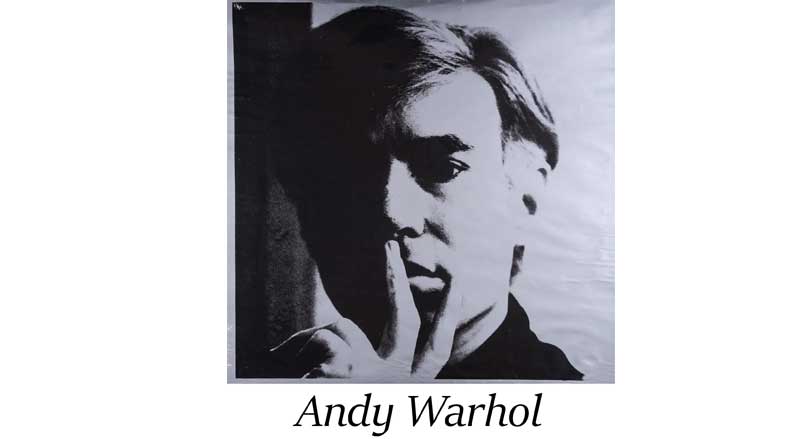
Born Andrew Warhola in Pittsburgh in 1928, Andy Warhol began his career in commercial illustration before becoming the central figure of the Pop Art movement. His background in advertising fundamentally shaped his artistic philosophy—embracing repetition, branding, and mass production as artistic tools rather than limitations.
Warhol didn’t simply reflect consumer culture; he transformed it into fine art, elevating everyday imagery—soup cans, celebrities, newspapers—into museum-worthy icons. His studio, The Factory, became a crucible for art, music, fashion, and media, cementing his status as both artist and cultural architect.
Today, Warhol’s relevance is arguably stronger than ever in an image-driven, brand-obsessed digital world.
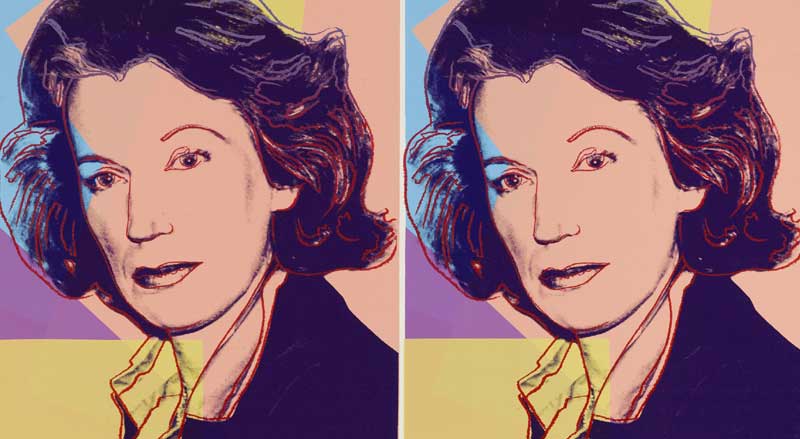
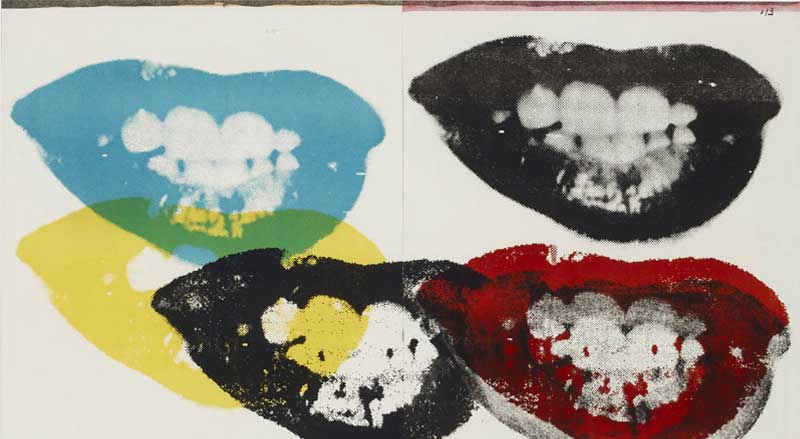
Unlike many artists who treated printmaking as secondary, Warhol embraced prints as a primary artistic medium.
Warhol’s use of silkscreen allowed for controlled variation, reinforcing themes of fame, repetition, and commodification. Each print is an intentional work of art, often produced under Warhol’s direct supervision.
For most collectors, prints represent the most strategic way to acquire an authentic Warhol.
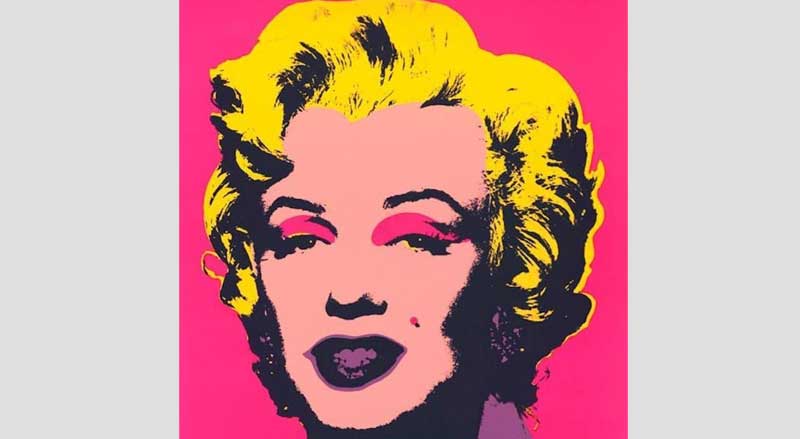
Certain Warhol series consistently anchor both museum exhibitions and collector demand:
These series form the backbone of the Warhol print market and are often prioritized by serious buyers.
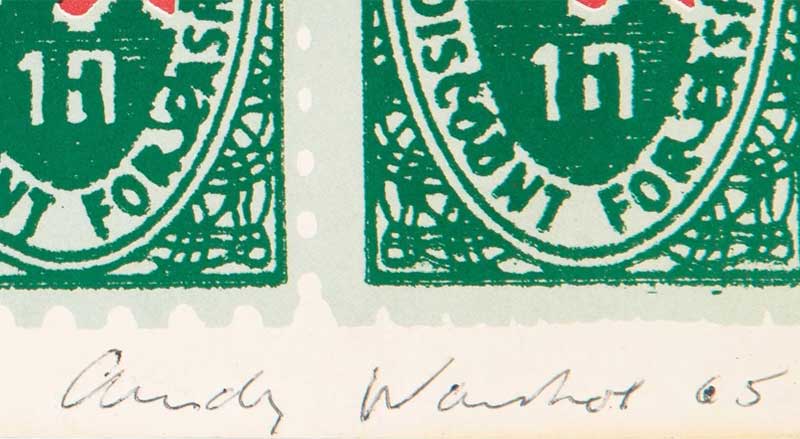
One of the most important distinctions affecting value is whether a Warhol print is signed.
While signed prints often outperform over time, unsigned works can still represent strong value when properly selected.
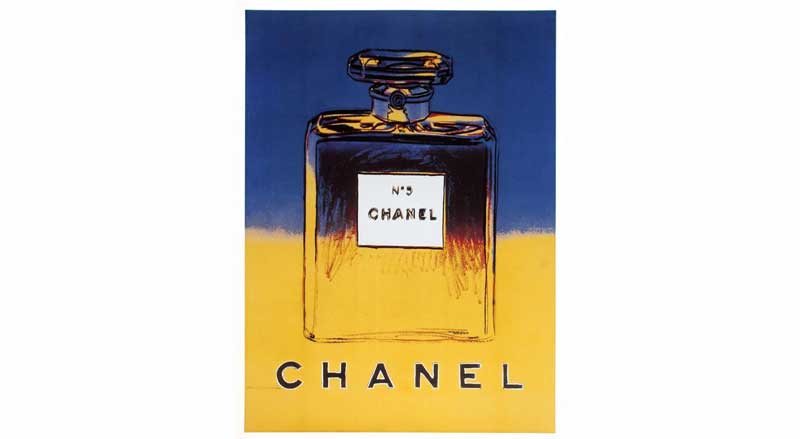
Edition size directly affects scarcity and market perception.
Key considerations include:
Collectors should evaluate edition size in context, not isolation—iconic imagery can sustain demand even in larger editions.
Condition is a major determinant of Warhol print value.
Collectors should examine:
Authentic Warhol prints should be supported by:
Because Warhol is one of the most forged artists in the world, buying through a reputable gallery is essential.
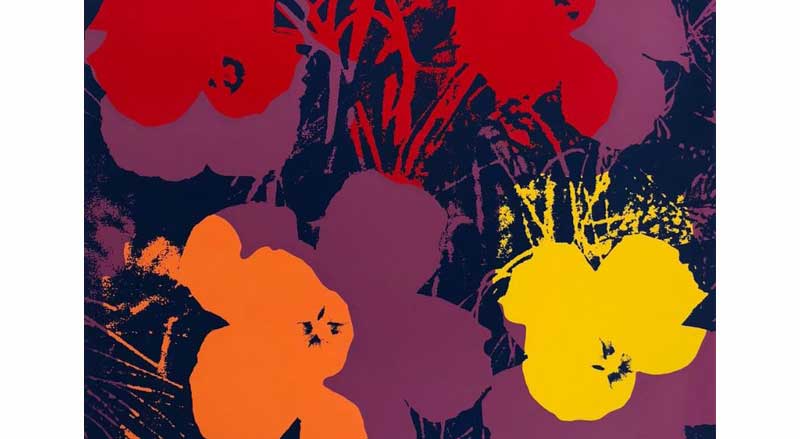
Andy Warhol remains one of the most actively traded contemporary artists at major auction houses worldwide.
Market observations show:
This liquidity and consistency underpin Warhol’s reputation as a cornerstone of the investment art movement.

Not every Warhol print serves the same collecting purpose.
Understanding this distinction helps collectors align purchases with financial and aesthetic goals.
Prices vary widely:
For many collectors, yes—when carefully selected. Warhol prints combine cultural importance, liquidity, and long-term demand.
Historically, well-chosen Warhol prints have shown strong long-term appreciation, though outcomes depend on selection and market conditions.
Recognizable imagery, strong documentation, and guidance from trusted advisors are key.
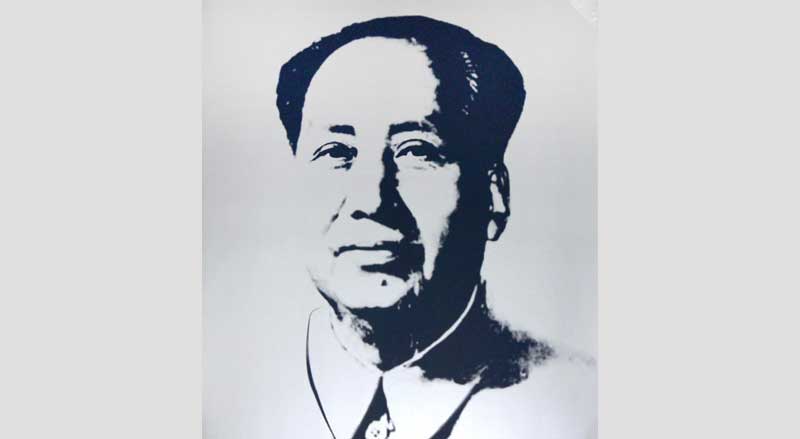
Dane Fine Art specializes in museum-quality, investment-grade contemporary art, including Andy Warhol.
We assist collectors by:
Our role is to ensure every acquisition is informed, secure, and meaningful.
Andy Warhol understood value, cultural and financial…better than almost any artist of the 20th century. His prints continue to resonate because they exist at the intersection of art history, popular culture, and enduring market confidence.
For collectors with sincere intent to buy, few artists offer the same combination of recognition, liquidity, and long-term relevance.